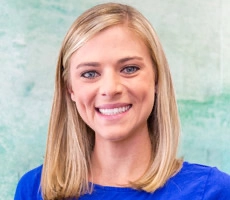
Anuli Njoku
Keynote Speaker: Professor of Public Health; Author & Health Equity Champion
-
Travels From:
-
Speaking Fee:
-
Categories:
Anuli Njoku Biography
Dr. Anuli Njoku is a Full Professor in the Department of Public Health at Southern Connecticut State University. Her academic and research trainings have focused primarily on community-based health promotion and disease prevention efforts at the local, regional, and international levels. She earned her Bachelor of Science in Public Health from Rutgers University, Master of Public Health from Boston University, and Doctor of Public Health from Drexel University. She also has postdoctoral training from Fox Chase Cancer Center.
In 2023, Dr. Njoku was selected as a Fulbright Specialist of Global/Public Health by the U.S. Department of State and completed a project at Universidade Regional do Cariri in Ceará, Brazil. Her broad research interests include social determinants of health, health disparities, cultural competency in higher education, diversity, equity, inclusion, and accessibility (DEIA), environmental health equity, rural health, and the scholarship of teaching and learning. Her research focus can be described as mentored, interprofessional, and global research to promote health equity.
Dr. Njoku has over 16 years of teaching experience, including developing and teaching over 20 undergraduate and graduate public health courses. She has published extensively, including on BIPOC women navigating academia during COVID-19, police brutality against Blacks in the USA, racial and environmental disparities in COVID-19 outcomes, Black maternal morbidity and mortality, infusing health disparities awareness into the Public Health curriculum, learner-centered curriculum development in Public Health, rural health, and sociocultural determinants of health disparities. Her service to the profession includes being an ongoing reviewer for various health-related journals, textbooks, and conferences.
She has also presented over 40 peer-reviewed conference proceedings at regional, national, and international venues.
Contact a speaker booking agent to check availability on Anuli Njoku and other top speakers and celebrities.
Anuli Njoku Speaking Topics
Abstract: BIPOC women faculty and administrators are breaking barriers, maintaining excellence, being award-winning scholars, and flourishing as experts in their fields. Still, they must survive while they thrive, and grapple with insecurity, writing blocks, and ‘imposter syndrome’. This inspires the courage to reassure, uplift, mentor, invite, and make collaborative spaces for BIPOC women to express feelings of vulnerability, unease, and ultimately, hope. When seats are missing at the table, one can bring their own table and seats. In a field of often unforgiving critics, the authors share how they provided underrepresented scholars the opportunity to promote authenticity and illuminate their voices.
Session Objectives:
- Reflect on and identify various experiences of BIPOC women in academia.
- Demonstrate the use of various strategies for creating space and opportunities for collaboration among BIPOC women.
- Discuss the importance of BIPOC women's voices and the creation of spaces in which they can thrive.
Environmental change such as climate change and extreme weather events and their corresponding health effects can disrupt daily life in endless ways. However, impacts of environmental change, from extreme weather to rising ocean levels, are not distributed equally and often disproportionately affect historically marginalized and underserved communities. Climate impacts like raging storms and floods, increasing wildfires, severe heat, poor air quality, access to food and water, and disappearing shorelines can put Black, Brown, and Indigenous communities, low-income groups, people with disabilities, women, children, older people, and others at greater risk.
Environmental racism can manifest itself as racial discrimination in environmental policymaking and enforcement of regulation and laws, the deliberate targeting of communities of color for toxic waste disposal and siting of polluting industries, the official sanctioning of life-threatening poisons and pollutants in communities of color, and the history of excluding communities of color from mainstream environmental groups, decision-making boards, commissions, and regulatory bodies. Moreover, there is a need to examine how environmental racism intensifies the COVID-19 pandemic and illuminates racial inequities in exposure to environmental pollutants.
In the United States, there has been a long history of environmental injustice that disproportionately affects racial and ethnic underrepresented populations and economically disadvantaged communities due to racially targeted policies and widespread discrimination. As a result, these communities—sometimes referred to as "environmental justice communities"—disproportionately experience the negative effects that pollution in the air and water has on health.
Building relationships and trust is a critical first step for scientists doing work in these communities. Effective strategies are needed to facilitate this process. The purpose of this presentation is to discuss the disproportionate effect of environmentally related health problems on historically marginalized and underserved communities and explore strategies to build trust in environmental justice communities for science and public health.
Learning Outcome(s):
- Describe environmental injustice in racial and ethnic underrepresented populations and economically disadvantaged communities in the United States.
- Identify strategies to build trust in environmental justice communities for science and public health.
Objectives:
- Provide an overview of the social and economic circumstances of Hispanics/Latinx Americans in the United States.
- Present an overview of Hispanic/Latinx beliefs about the causes of illness.
- Describe at least three culture-bound illnesses among Hispanic/Latinx Americans.
- Discuss Hispanics/Latinx Americans' health risk behaviors and common illnesses.
- List at least six tips for working with Hispanic/Latinx American populations.
Issues: Black women in the United States disproportionately experience adverse pregnancy outcomes, including maternal mortality, compared to women of other racial and ethnic groups. Historical legacies of institutionalized racism and bias in medicine compound this problem. The COVID-19 pandemic may aggravate existing health inequities. This necessitates exploration into existing racial disparities in maternal morbidity and mortality.
This presentation discusses structural and social determinants of Black maternal mortality in the U.S. Informed by an extensive review of the literature and guided by the Weathering Framework and Roach’s Restoring Our Own Through Transformation (ROOTT) Theoretical Framework, we examine how structural racism contributes to a greater risk of adverse obstetric outcomes among U.S. Black women. We explore how structural determinants of health (for example, slavery, structural racism, Jim Crow laws, the G.I. Bill, redlining, mass incarceration, and the 13th Amendment) shape social determinants of health (for example, food stability, education, income, built environment, neighborhood demographics, safety, housing, access to care, and incarceration) and influence racial disparities in maternal mortality.
Lessons Learned: Structural and social determinants of health interact in numerous and intersected ways to fuel rates of Black maternal mortality in the U.S. and exacerbate health disparities.
Recommendations: We outline approaches to address implicit bias and improve cultural humility in healthcare, diversify the workforce, incorporate social determinants of health into the curriculum, explore effects of environmental and occupational exposures on maternal morbidity and mortality, address the impact of structural racism on health, and improve social policies to address Black maternal mortality.
Learning Outcomes:
- Describe structural and social determinants of Black maternal mortality in the United States.
- Identify strategies to address Black maternal mortality in the United States.
Presentation Overview:
- Introductions
- Objectives of Session
- Key Concepts and Terms
- Changing Demographics and Multicultural Health
- Health Disparities
- Understanding Cultural Influences
- Cultural Beliefs in the Clinical Encounter
- Strategies for Working with Diverse Groups
Objectives:
- Explain why cultural considerations are important in health care.
- Define diversity, multicultural health, cultural competence, worldview, and cultural groups.
- Define health disparities and explain reasons for their existence.
- Describe demographic changes in the U.S.
- Explore how cultural values and beliefs are shaped.
- Identify cultural barriers in the clinical encounter.
- Pinpoint strategies for working with diverse groups.

How do I book Anuli Njoku to speak at my event?
Our experienced booking agents have successfully helped clients around the world secure speakers like Anuli Njoku for speaking engagements, personal appearances, product endorsements, or corporate entertainment since 2002. Click the Check Schedule button above and complete the form on this page to check availability for Anuli Njoku, or call our office at 1.800.698.2536 to discuss your upcoming event. One of our experienced agents will be happy to help you get speaking fee information and check availability for Anuli Njoku or any other speaker of your choice.
How much does it cost to book Anuli Njoku for a speaking engagement?
Speaking fees for Anuli Njoku, or any other speakers and celebrities, are determined based on a number of factors and may change without notice. The estimated fees to book Anuli Njoku are $10,000 - $20,000 for live events and Below $10,000 for virtual events. For the most current speaking fee to hire Anuli Njoku, click the Check Schedule button above and complete the form on this page, or call our office at 1.800.698.2536 to speak directly with an experienced booking agent.
What topics does Anuli Njoku speak about?
Anuli Njoku is a keynote speaker and industry expert who speaks on a wide range of topics such as Public Health, Health & Wellness, Healthcare, Women's Health, Education, DEI, Diversity & Inclusion, Social Activism, Social Justice, Civil Rights, Black Heritage, Environment, Environmental Activism and Professors.
Where does Anuli Njoku travel from?
Anuli Njoku generally travels from New Haven, CT, USA and can be booked for (private) corporate events, personal appearances, keynote speeches, or other performances.
Who is the agent for Anuli Njoku?
AAE Speakers Bureau has successfully secured keynote speakers like Anuli Njoku for clients worldwide since 2002. As a full-service speaker booking agency, we have access to virtually any speaker or celebrity in the world. Our agents are happy and able to submit an offer to the speaker or celebrity of your choice, letting you benefit from our reputation and long-standing relationships in the industry. Please click the Check Schedule button above and complete the form on this page including the details of your event, or call our office at 1.800.698.2536, and one of our agents will assist you to book Anuli Njoku for your next private or corporate function.
What is a full-service speaker booking agency?
AAE Speakers Bureau is a full-service speaker booking agency, meaning we can completely manage the speaker’s or celebrity’s engagement with your organization from the time of booking your speaker through the event’s completion. We provide all of the services you need to host Anuli Njoku or any other speaker of your choice, including offer negotiation, contractual assistance, accounting and billing, and event speaker travel and logistics services. When you book a speaker with us, we manage the process of hosting a speaker for you as an extension of your team. Our goal is to give our clients peace of mind and a best-in-class service experience when booking a speaker with us.
Why is AAE Speakers Bureau different from other booking agencies?
If you’re looking for the best speaker recommendations, paired with a top-notch customer service experience, you’re in the right place. At AAE Speakers Bureau, we exclusively represent the interests of our clients - professional organizations, companies, universities, and associations. We intentionally do not represent the speakers we feature or book. That is so we can present our clients with the broadest and best performing set of speaker options in the market today, and we can make these recommendations without any obligation to promote a specific speaker over another. This is why when our agents suggest a speaker for your event, you can be assured that they are of the highest quality with a history of proven success with our other clients.
Anuli Njoku is a keynote speaker and industry expert who speaks on a wide range of topics including Public Health, Health & Wellness and Healthcare. The estimated speaking fee range to book Anuli Njoku for live events is $10,000 - $20,000, and for virtual events Below $10,000. Anuli Njoku generally travels from New Haven, CT, USA and can be booked for (private) corporate events, personal appearances, keynote speeches, or other performances. Similar motivational celebrity speakers are Renaisa Anthony, MD, MPH, Joia Crear-Perry and Dr. Rachel Hardeman. Contact All American Speakers for ratings, reviews, videos and information on scheduling Anuli Njoku for an upcoming event.
SPEAKING TOPICS
Anuli Njoku Speaking Topics
-
Spaces to Heal for BIPOC Women in Higher Education: Providing the Table and Seats
Abstract: BIPOC women faculty and administrators are breaking barriers, maintaining excellence, being award-winning scholars, and flourishing as experts in their fields. Still, they must survive while they thrive, and grapple with insecurity, writing blocks, and ‘imposter syndrome’. This inspires the courage to reassure, uplift, mentor, invite, and make collaborative spaces for BIPOC women to express feelings of vulnerability, unease, and ultimately, hope. When seats are missing at the table, one can bring their own table and seats. In a field of often unforgiving critics, the authors share how they provided underrepresented scholars the opportunity to promote authenticity and illuminate their voices.
Session Objectives:
- Reflect on and identify various experiences of BIPOC women in academia.
- Demonstrate the use of various strategies for creating space and opportunities for collaboration among BIPOC women.
- Discuss the importance of BIPOC women's voices and the creation of spaces in which they can thrive.
-
Building Trust in Environmental Justice Communities for Science and Public health
Environmental change such as climate change and extreme weather events and their corresponding health effects can disrupt daily life in endless ways. However, impacts of environmental change, from extreme weather to rising ocean levels, are not distributed equally and often disproportionately affect historically marginalized and underserved communities. Climate impacts like raging storms and floods, increasing wildfires, severe heat, poor air quality, access to food and water, and disappearing shorelines can put Black, Brown, and Indigenous communities, low-income groups, people with disabilities, women, children, older people, and others at greater risk.
Environmental racism can manifest itself as racial discrimination in environmental policymaking and enforcement of regulation and laws, the deliberate targeting of communities of color for toxic waste disposal and siting of polluting industries, the official sanctioning of life-threatening poisons and pollutants in communities of color, and the history of excluding communities of color from mainstream environmental groups, decision-making boards, commissions, and regulatory bodies. Moreover, there is a need to examine how environmental racism intensifies the COVID-19 pandemic and illuminates racial inequities in exposure to environmental pollutants.
In the United States, there has been a long history of environmental injustice that disproportionately affects racial and ethnic underrepresented populations and economically disadvantaged communities due to racially targeted policies and widespread discrimination. As a result, these communities—sometimes referred to as "environmental justice communities"—disproportionately experience the negative effects that pollution in the air and water has on health.
Building relationships and trust is a critical first step for scientists doing work in these communities. Effective strategies are needed to facilitate this process. The purpose of this presentation is to discuss the disproportionate effect of environmentally related health problems on historically marginalized and underserved communities and explore strategies to build trust in environmental justice communities for science and public health.
Learning Outcome(s):
- Describe environmental injustice in racial and ethnic underrepresented populations and economically disadvantaged communities in the United States.
- Identify strategies to build trust in environmental justice communities for science and public health.
-
Multicultural Health: Hispanic and Latinx American Populations
Objectives:
- Provide an overview of the social and economic circumstances of Hispanics/Latinx Americans in the United States.
- Present an overview of Hispanic/Latinx beliefs about the causes of illness.
- Describe at least three culture-bound illnesses among Hispanic/Latinx Americans.
- Discuss Hispanics/Latinx Americans' health risk behaviors and common illnesses.
- List at least six tips for working with Hispanic/Latinx American populations.
-
Addressing the Structural and Social Determinants of Black Maternal Mortality in the United States
Issues: Black women in the United States disproportionately experience adverse pregnancy outcomes, including maternal mortality, compared to women of other racial and ethnic groups. Historical legacies of institutionalized racism and bias in medicine compound this problem. The COVID-19 pandemic may aggravate existing health inequities. This necessitates exploration into existing racial disparities in maternal morbidity and mortality.
This presentation discusses structural and social determinants of Black maternal mortality in the U.S. Informed by an extensive review of the literature and guided by the Weathering Framework and Roach’s Restoring Our Own Through Transformation (ROOTT) Theoretical Framework, we examine how structural racism contributes to a greater risk of adverse obstetric outcomes among U.S. Black women. We explore how structural determinants of health (for example, slavery, structural racism, Jim Crow laws, the G.I. Bill, redlining, mass incarceration, and the 13th Amendment) shape social determinants of health (for example, food stability, education, income, built environment, neighborhood demographics, safety, housing, access to care, and incarceration) and influence racial disparities in maternal mortality.
Lessons Learned: Structural and social determinants of health interact in numerous and intersected ways to fuel rates of Black maternal mortality in the U.S. and exacerbate health disparities.
Recommendations: We outline approaches to address implicit bias and improve cultural humility in healthcare, diversify the workforce, incorporate social determinants of health into the curriculum, explore effects of environmental and occupational exposures on maternal morbidity and mortality, address the impact of structural racism on health, and improve social policies to address Black maternal mortality.
Learning Outcomes:
- Describe structural and social determinants of Black maternal mortality in the United States.
- Identify strategies to address Black maternal mortality in the United States.
-
Cultural Competency in Healthcare
Presentation Overview:
- Introductions
- Objectives of Session
- Key Concepts and Terms
- Changing Demographics and Multicultural Health
- Health Disparities
- Understanding Cultural Influences
- Cultural Beliefs in the Clinical Encounter
- Strategies for Working with Diverse Groups
Objectives:
- Explain why cultural considerations are important in health care.
- Define diversity, multicultural health, cultural competence, worldview, and cultural groups.
- Define health disparities and explain reasons for their existence.
- Describe demographic changes in the U.S.
- Explore how cultural values and beliefs are shaped.
- Identify cultural barriers in the clinical encounter.
- Pinpoint strategies for working with diverse groups.
VIDEO
Anuli Njoku Videos

BOOKS
FAQS
-
How do I book Anuli Njoku to speak at my event?
Our experienced booking agents have successfully helped clients around the world secure speakers like Anuli Njoku for speaking engagements, personal appearances, product endorsements, or corporate entertainment since 2002. Click the Check Schedule button above and complete the form on this page to check availability for Anuli Njoku, or call our office at 1.800.698.2536 to discuss your upcoming event. One of our experienced agents will be happy to help you get speaking fee information and check availability for Anuli Njoku or any other speaker of your choice. -
How much does it cost to book Anuli Njoku for a speaking engagement?
Speaking fees for Anuli Njoku, or any other speakers and celebrities, are determined based on a number of factors and may change without notice. The estimated fees to book Anuli Njoku are $10,000 - $20,000 for live events and Below $10,000 for virtual events. For the most current speaking fee to hire Anuli Njoku, click the Check Schedule button above and complete the form on this page, or call our office at 1.800.698.2536 to speak directly with an experienced booking agent. -
What topics does Anuli Njoku speak about?
Anuli Njoku is a keynote speaker and industry expert who speaks on a wide range of topics such as Public Health, Health & Wellness, Healthcare, Women's Health, Education, DEI, Diversity & Inclusion, Social Activism, Social Justice, Civil Rights, Black Heritage, Environment, Environmental Activism and Professors. -
Where does Anuli Njoku travel from?
Anuli Njoku generally travels from New Haven, CT, USA and can be booked for (private) corporate events, personal appearances, keynote speeches, or other performances. -
Who is the agent for Anuli Njoku?
AAE Speakers Bureau has successfully secured keynote speakers like Anuli Njoku for clients worldwide since 2002. As a full-service speaker booking agency, we have access to virtually any speaker or celebrity in the world. Our agents are happy and able to submit an offer to the speaker or celebrity of your choice, letting you benefit from our reputation and long-standing relationships in the industry. Please click the Check Schedule button above and complete the form on this page including the details of your event, or call our office at 1.800.698.2536, and one of our agents will assist you to book Anuli Njoku for your next private or corporate function. -
What is a full-service speaker booking agency?
AAE Speakers Bureau is a full-service speaker booking agency, meaning we can completely manage the speaker’s or celebrity’s engagement with your organization from the time of booking your speaker through the event’s completion. We provide all of the services you need to host Anuli Njoku or any other speaker of your choice, including offer negotiation, contractual assistance, accounting and billing, and event speaker travel and logistics services. When you book a speaker with us, we manage the process of hosting a speaker for you as an extension of your team. Our goal is to give our clients peace of mind and a best-in-class service experience when booking a speaker with us. -
Why is AAE Speakers Bureau different from other booking agencies?
If you’re looking for the best speaker recommendations, paired with a top-notch customer service experience, you’re in the right place. At AAE Speakers Bureau, we exclusively represent the interests of our clients - professional organizations, companies, universities, and associations. We intentionally do not represent the speakers we feature or book. That is so we can present our clients with the broadest and best performing set of speaker options in the market today, and we can make these recommendations without any obligation to promote a specific speaker over another. This is why when our agents suggest a speaker for your event, you can be assured that they are of the highest quality with a history of proven success with our other clients.
BOOK ANULI NJOKU
We are happy to assist you with your interest in booking a speaker or celebrity for your event, your organization, and the type of talent you would like to secure, and an agent will be in touch shortly.
Fill out the form below to or call us at 1-800-698-2536 if need immediate assistance.
We respond to most inquiries within 4 hours. Under special circumstances, it may take up to 24 hours.
We are happy to help! Call us to speak with a booking agent about your event or specific speaker request.
Gauge Interest and check availability for appearances, speaking engagements, or corporate events.
Provide you with speaking fee to book Anuli Njoku or other celebrity appearance fees
Give you personal recommendations for the best keynote speakers or celebrities
Assist you with any questions you have throughout the talent booking process


This website is a resource for event professionals and strives to provide the most comprehensive catalog of thought leaders and industry experts to consider for speaking engagements. A listing or profile on this website does not imply an agency affiliation or endorsement by the talent.
All American Entertainment (AAE) exclusively represents the interests of talent buyers, and does not claim to be the agency or management for any speaker or artist on this site. AAE is a talent booking agency for paid events only. We do not handle requests for donation of time or media requests for interviews, and cannot provide celebrity contact information.